
Blog
Subway Tile vs Porcelain Tile for Bathroom Renovation: Boston Contractor’s Guide
When planning a bathroom renovation in Cambridge, one of the first decisions homeowners face is choosing the right tile. The options can seem endless, but two popular choices consistently come up: subway tile and porcelain tile. While often discussed as if they are opposing choices, they actually refer to different aspects of tile.
Subway tile describes a specific shape, while porcelain refers to the material. This guide from ALP Home Services will clarify the differences, help you understand the pros and cons of each, and empower you to make an informed decision for your next tile installation in Cambridge.
*Pricing varies based on project scope, materials selected, and site conditions. Contact us for a personalized estimate.
Understanding Subway Tile vs Porcelain Tile: Shape vs. Material
The initial confusion for many homeowners looking at subway tile vs porcelain tile bathroom options stems from mixing up shape with material. Let’s break down what each term actually means:
What is Subway Tile?
Subway tile refers to a distinctive rectangular shape, most commonly 3×6 inches, though 2×4, 4×8, or even larger formats are available. Its classic, clean aesthetic originated in the New York City subway stations in the early 20th century. Traditionally, subway tiles are made from ceramic, but today you can find them in various materials, including porcelain, glass, and natural stone. The appeal lies in its versatility and timeless look, allowing for numerous patterns like herringbone, offset, or straight stack (as described by The Spruce).
What is Porcelain Tile?
Porcelain tile, on the other hand, describes the material composition. It’s a type of ceramic tile made from a very fine, dense clay that is fired at extremely high temperatures. This process results in a tile that is significantly harder, less porous, and more durable than traditional ceramic tile. Porcelain tile can be manufactured in almost any shape or size, including the classic subway tile dimension.
So, while you can have ceramic subway tile, you can also have porcelain subway tile. The critical distinction for your bathroom renovation in Cambridge comes down to the material properties of ceramic versus porcelain.
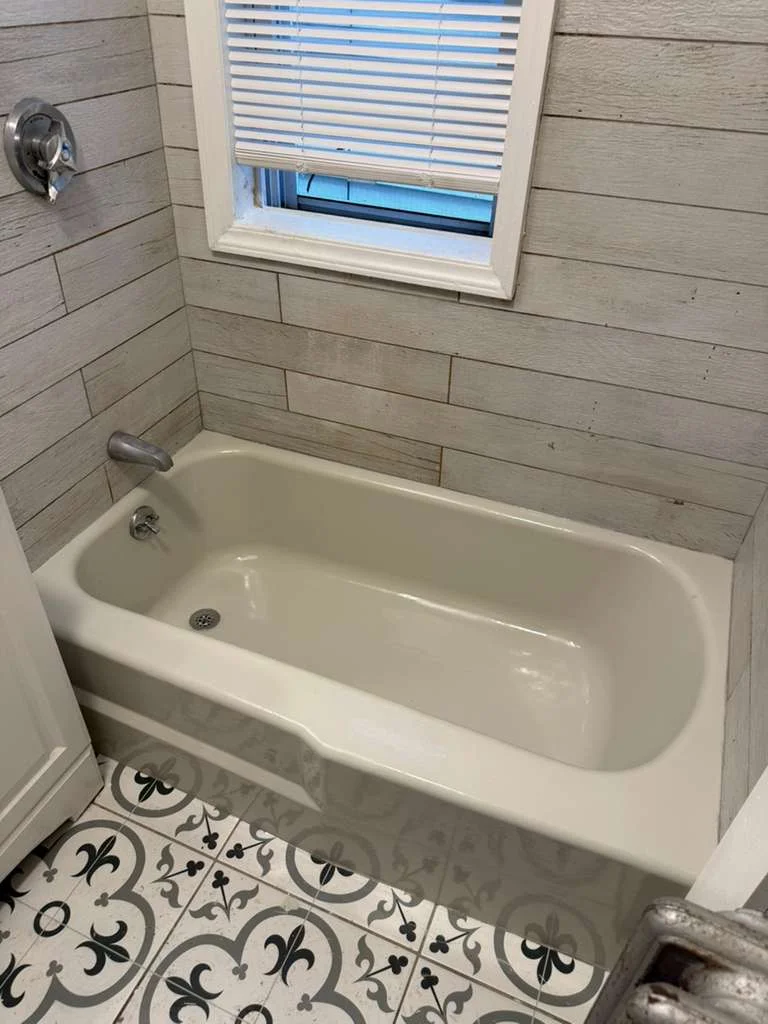
Porcelain’s Density and Low Water Absorption: Why it Matters for Bathrooms
The primary advantage of porcelain tile for bathroom applications is its exceptional density and very low water absorption rate. According to the Tile Council of North America (TCNA) and ANSI standards, a tile is classified as porcelain if it has a water absorption rate of 0.5% or less. In contrast, standard ceramic tiles typically have a water absorption rate of 3% or higher.
What This Means for Your Bathroom:
- Moisture Resistance: Porcelain’s low absorption makes it highly resistant to water penetration, mold, and mildew growth. This is crucial for environments like bathrooms, particularly in shower enclosures and around bathtubs.
- Stain Resistance: Because it’s so dense, porcelain is also highly resistant to stains, making it easier to clean and maintain in a busy bathroom.
- Durability: The density also translates to superior hardness and resistance to chipping and scratching, vital for areas with heavy foot traffic or where objects might be dropped.
For homeowners in Cambridge, this enhanced moisture and stain resistance means a longer-lasting, lower-maintenance bathroom surface, especially important in humid New England climates.
Where Porcelain Tile Excels in Bathroom Renovations
Given its robust properties, porcelain tile is the preferred choice for several key areas within a bathroom, especially for those seeking maximum durability and longevity.
Shower Floors and Pans
This is where porcelain truly shines. Shower floors are constantly exposed to water, soap, and foot traffic. Porcelain’s low water absorption prevents moisture from seeping into the subfloor and causing damage, while its durability stands up to daily use. Its inherent slip resistance (when textured or unglazed) also makes it a safer option for wet areas.
High-Traffic Bathrooms and Mudrooms
If your bathroom sees a lot of foot traffic, perhaps it’s a main family bathroom or connected to a mudroom, porcelain’s resistance to wear and tear is invaluable. It can withstand the scuffs and impacts that might chip or scratch softer ceramic tiles.
Anywhere with Freeze-Thaw Exposure (New England Relevance)
While less common for interior bathrooms, if you’re considering tile for an unheated sunroom bathroom or an outdoor shower area that might experience freezing temperatures, porcelain is the only choice. Its minimal water absorption prevents water from expanding when frozen and cracking the tile, a significant concern in the New England climate.
Where Ceramic Tile Still Wins: Walls, Backsplashes, and Budget-Friendly Remodels
Despite porcelain’s advantages, traditional ceramic tile still holds its own, especially when considering certain applications and project budgets.
Shower Walls and Backsplashes
For vertical surfaces like shower walls or bathroom backsplashes, ceramic tile is often an excellent choice. These areas don’t experience the same direct impact or constant standing water as a shower floor. Ceramic tiles are lighter and easier to cut, which can simplify installation and reduce labor costs. They offer an enormous range of colors, patterns, and glazes, making them a versatile design element.
Lower-Budget Remodels
Ceramic tile is generally more affordable per square foot than porcelain. While installation costs are similar, the material savings can be significant for larger projects or those with tighter budgets. If your bathroom isn’t a high-traffic zone or a shower floor, ceramic can provide a beautiful and functional solution without breaking the bank.
Ease of DIY (with caution)
Because ceramic is softer and easier to cut with standard tile cutters, it’s sometimes preferred by DIY enthusiasts. However, for a professional, flawless finish, especially in a bathroom, hiring experienced tile installation experts is always recommended.
Installation Difficulty: Porcelain Requires Specialized Tools and Expertise
One often-overlooked factor in the subway tile vs porcelain tile bathroom debate is the installation process. Porcelain’s superior hardness, while a benefit for durability, makes it more challenging to cut and install.
Tools Required for Porcelain Tile
- Diamond Blades: Porcelain requires a wet saw with a high-quality diamond blade for clean cuts. Standard tile cutters used for ceramic may chip or break porcelain.
- Slower Setup: The hardness of porcelain means cuts take longer, slowing down the overall installation process.
- Specialized Mortar: Due to its low absorption, porcelain tile requires a specific type of thin-set mortar that adheres well to non-porous surfaces.
Impact on Installation Costs
Because of the specialized tools and increased labor time, installing porcelain tile can be approximately 30% more expensive* than installing ceramic tile. This is an important consideration when budgeting for your bathroom renovation. A skilled and licensed contractor, like ALP Home Services, has the right equipment and experience to install both types of tile efficiently and flawlessly.
*Pricing varies based on project scope, materials selected, and site conditions. Contact us for a personalized estimate.
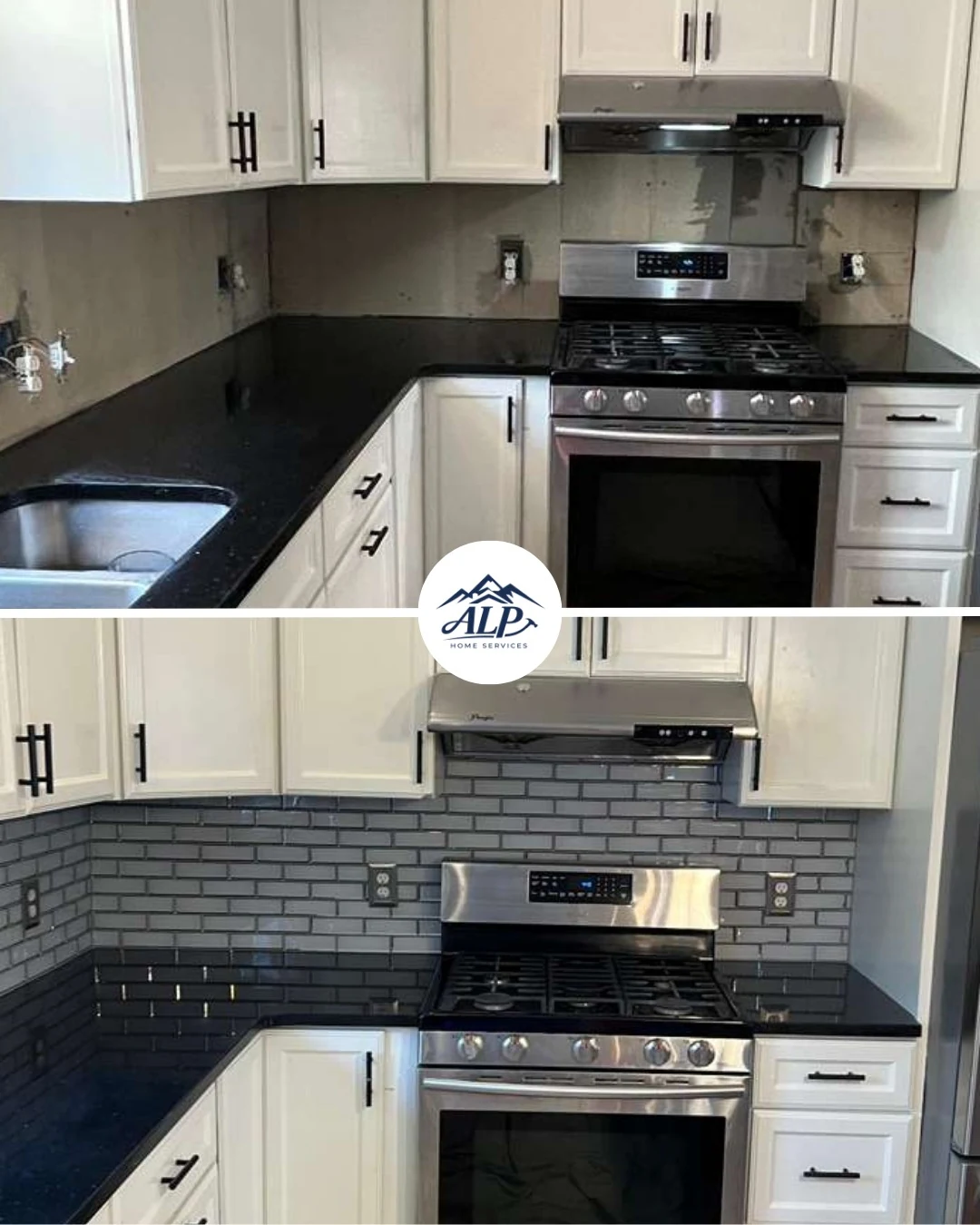
Grout Color and Joint Width Pairing for Each Material
The choice of grout can dramatically affect the final look and longevity of your tile installation. Both ceramic and porcelain tile benefit from careful grout selection.
Grout for Ceramic Tile
- Joint Width: Ceramic tiles often have slight variations in size, making a wider grout joint (typically 1/8 inch or more) more forgiving for achieving straight lines.
- Grout Type: Sanded grout is common for wider joints, providing strength and preventing shrinkage. Non-sanded grout can be used for very narrow joints.
- Color: Grout color can either blend in or contrast. A contrasting grout emphasizes the tile shape (like classic subway tile with dark grout), while a matching grout creates a more seamless, expansive look.
Grout for Porcelain Tile
- Joint Width: Porcelain tiles are often rectified (precisely cut to exact dimensions), allowing for very narrow grout lines (as little as 1/16 inch). This creates a sleek, almost seamless appearance.
- Grout Type: Non-sanded grout is usually preferred for narrow joints. For shower areas, using an epoxy or urethane grout can offer superior stain and water resistance.
- Color: With narrow, rectified porcelain, a matching grout color can create a monolithic, modern aesthetic. Contrasting colors are still an option but will be less pronounced with thinner lines.
Regardless of your choice, ensure your contractor uses high-quality, mold-resistant grout for bathroom applications to ensure a durable and hygienic finish.
FAQ: Your Questions on Subway Tile vs Porcelain Tile for Bathroom Renovation
Common questions from homeowners in Cambridge and surrounding areas considering their bathroom tile options.
What is the main difference between subway tile and porcelain tile?
Subway tile refers to a rectangular shape, typically ceramic. Porcelain tile refers to the material itself, a dense, low-absorption ceramic. You can have porcelain tile in a subway shape.
Is porcelain tile better than ceramic tile for a bathroom?
For high-moisture, high-traffic areas like shower floors or main bathroom floors, porcelain tile’s superior density, low water absorption, and durability often make it the better choice. For shower walls or backsplashes, ceramic tile is often sufficient and more budget-friendly.
Can I use subway tile on my shower floor?
Yes, but it’s important that the subway tile is made from porcelain, not just ceramic. Porcelain subway tile offers the necessary density and low water absorption for shower floor applications, ensuring long-term durability and moisture resistance.
Why is porcelain tile more expensive to install?
Porcelain tile is harder and denser than ceramic, requiring specialized tools like diamond blades for cutting. This makes the installation process slower and more labor-intensive, leading to higher installation costs.
What kind of grout should I use for porcelain subway tile?
For porcelain subway tile, especially if rectified, non-sanded grout is often used for narrow joints (1/16 inch). For enhanced water and stain resistance in showers, epoxy or urethane grouts are excellent options. Always choose mold-resistant grout for bathrooms.
Do you offer licensed and insured tile installation in Cambridge?
Yes, ALP Home Services provides professional, licensed, and insured tile installation services throughout Cambridge and surrounding areas, ensuring quality craftsmanship for your bathroom renovation.
Explore Our Services
Ready to Choose Your Bathroom Tile in Cambridge?
Making the right choice between subway tile vs porcelain tile for your bathroom renovation in Cambridge doesn’t have to be complicated. By understanding the difference between shape and material, and considering the specific needs of your bathroom areas, you can select the perfect tile that combines beauty and functionality. For expert advice and professional tile installation, contact ALP Home Services today.
Prefer to dial directly? +1 (866) 254-3597