
Blog
Preparing Your Boston-Area Home for Exterior Painting Before Winter Hits
As the vibrant colors of autumn sweep across the Boston area, many homeowners start thinking about protecting their homes before the harsh New England winter arrives. One critical task is exterior painting, but the window for success in fall is surprisingly narrow and requires careful planning to avoid costly mistakes.
Understanding the specific challenges of cooler temperatures and shorter days is key to ensuring your paint job lasts. This guide will walk you through the essential steps to prepare home exterior painting in fall, helping you decide if this season is right for your project or if it’s better to wait until spring.
*Pricing varies based on project scope, materials selected, and site conditions. Contact us for a personalized estimate.
The Critical Temperature Window for Exterior Painting in Boston
Successfully applying exterior paint in the fall hinges almost entirely on temperature. Most paint manufacturers, including leading brands like Sherwin-Williams, recommend that both air and surface temperatures remain above 50°F* for at least 48 hours after application. This isn’t just a daytime requirement; nighttime temperatures are equally crucial for proper paint curing and adhesion. If the temperature drops below this threshold too soon, the paint may not dry correctly, leading to issues like poor adhesion, cracking, or premature peeling.
It’s important to distinguish between air temperature and surface temperature. A sunny fall day might feel warm, but if the surface of your home’s siding or trim is still cool from the overnight chill, the paint won’t bond effectively. Professional painters in the Greater Boston area often use surface thermometers to ensure optimal conditions. As a rule of thumb, the window for exterior painting in Malden and surrounding cities typically closes around mid-October, as average nighttime lows begin to consistently dip into the 40s°F* or lower.
Painting outside of these recommended temperature ranges can compromise the integrity and longevity of the paint, essentially wasting your investment. For instance, if paint is applied when it’s too cold, the solvents might evaporate too slowly, causing the paint to sag or run. Conversely, if it dries too quickly due to unexpected warmth, it can crack. Getting it right ensures your home’s protective layer performs as intended through the winter.
Why Fall Exterior Painting Carries Specific Risks in New England
While the crisp fall air can seem ideal for painting, New England’s autumn weather presents several unique challenges that increase the risk for exterior painting projects. The primary concerns are morning dew, shorter daylight hours, and the rapid drop in temperatures as evening approaches.
- Morning Dew: Fall mornings often bring heavy dew, which can leave exterior surfaces damp well into the day. Painting over a damp surface can trap moisture, leading to blistering, peeling, and poor adhesion once the paint dries. Surfaces must be completely dry before painting, which can significantly cut into already limited daylight hours.
- Shorter Daylight Hours: With the sun setting earlier, there’s less time for paint to dry and cure properly. A typical paint coat needs several hours to dry to the touch, and often 24-48 hours* to fully cure, especially in cooler conditions. Shorter days mean less drying time, increasing the chance of dew or frost damaging freshly applied paint overnight.
- Rapid Temperature Drops: Even if daytime temperatures are adequate, the quick drop in temperature after sunset can shock the paint, hindering its ability to form a strong, durable film. This can result in a brittle finish that is more susceptible to cracking and flaking, particularly when exposed to winter’s freezing temperatures and thaw cycles.
These factors combined make fall painting a race against the clock and the elements. Without meticulous planning and adherence to strict weather guidelines, the risks of a compromised paint job are substantial. This is why many homeowners choose a professional service for their exterior painting in Greater Boston during this challenging season.
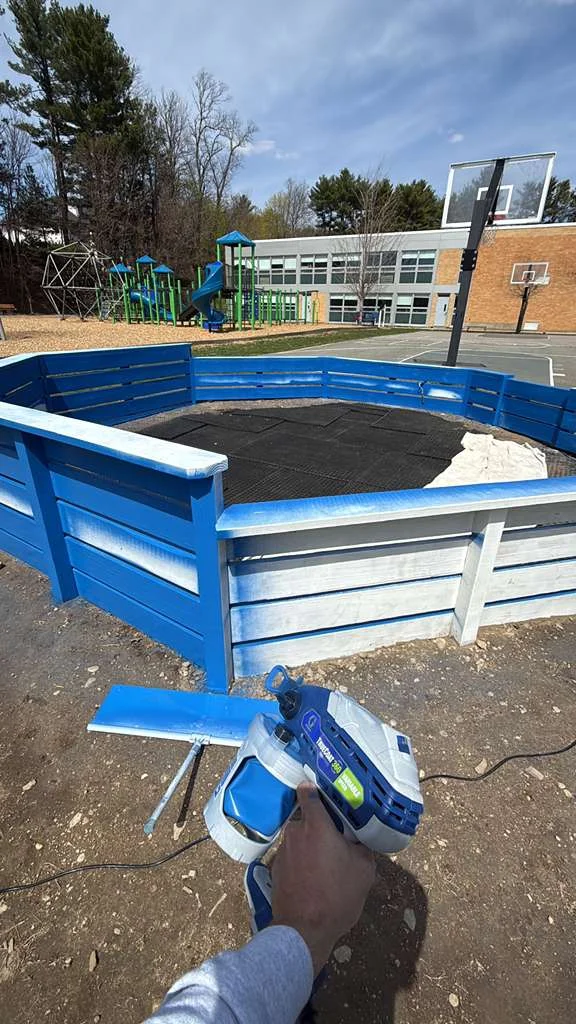
Your Fall Painting Prep Timeline: Working Back from First Frost
To successfully prepare home exterior painting in fall, you need to work backward from the typical first frost date, which for the Boston area, according to the National Weather Service, usually falls between October 15th and 30th*. This gives you a critical window in September and early October for preparation and application.
Here’s a recommended timeline:
- Early to Mid-September: Inspection and Repairs
- Conduct a thorough inspection of your home’s exterior. Look for any damaged siding, loose trim, or rotting wood. Address these repairs first. If you need assistance with trim and fascia repair, a professional can ensure these structural elements are sound before painting.
- Schedule any necessary carpentry work or siding repairs to be completed by the end of September.
- Mid-September: Cleaning
- Power-wash your entire exterior to remove dirt, mildew, and loose paint. This step is crucial for paint adhesion.
- Allow at least 48 hours* for the surfaces to dry completely after washing. In cooler, humid fall conditions, this drying time might need to be extended.
- Late September/Early October: Scraping, Sanding, and Priming
- Scrape away any remaining loose or peeling paint. Feather the edges with sandpaper to create a smooth transition between bare wood and existing paint.
- Apply a high-quality primer to any bare wood within 24 hours* of sanding. This seals the wood and provides a uniform surface for the topcoat. Ensure the primer is rated for cooler temperatures if applying late in the season.
- Caulk all gaps and cracks around windows, doors, and siding joints. Use an exterior-grade, flexible caulk that can withstand temperature fluctuations.
- First Two Weeks of October: Topcoat Application
- Aim to apply your topcoat during a stretch of at least three consecutive dry, warm days where temperatures stay above 50°F* both day and night. This is your critical window.
- Apply paint in thin, even coats, allowing adequate drying time between coats as recommended by the manufacturer.
*Pricing varies based on project scope, materials selected, and site conditions. Contact us for a personalized estimate.
Choosing the Right Caulk and Primer for Cooler Weather
When working in the cooler temperatures of fall, selecting the right caulk and primer is paramount to the success and longevity of your exterior paint job. Standard products may not perform optimally, leading to adhesion failures or cracking down the line.
Cold-Weather Primers
For priming bare wood or previously painted surfaces in fall, look for primers specifically formulated for low-temperature application. These products are designed to cure properly even when temperatures dip slightly below the typical 50°F* minimum, though staying within the recommended range is always best. They offer enhanced adhesion and better stain-blocking capabilities in challenging conditions. Alkyd (oil-based) primers are often a good choice for bare wood in cooler weather due to their excellent penetration and sealing properties, but water-based options with low-temperature ratings are also available. Always check the manufacturer’s specifications for the lowest application temperature.
Flexible, Exterior-Grade Caulk
Caulking seals gaps and joints, preventing moisture intrusion and improving energy efficiency. In fall, choose a high-quality, exterior-grade acrylic latex caulk with silicone or polyurethane additives. These formulations offer superior flexibility, which is crucial for accommodating the expansion and contraction of building materials as temperatures fluctuate throughout the changing seasons. Look for caulk that is paintable and has a long lifespan (e.g., 50 years*). Apply caulk when the temperature is within the product’s recommended range to ensure proper curing and a strong, durable seal.
Using products designed for the specific environmental conditions of fall in New England will significantly reduce the risk of premature paint failure and ensure your home is well-protected against the elements.
*Pricing varies based on project scope, materials selected, and site conditions. Contact us for a personalized estimate.
When to Postpone Your Exterior Painting Project Until Spring
Despite meticulous planning, sometimes the weather conditions in the Boston area simply aren’t conducive to a successful fall exterior painting project. Knowing when to postpone can save you significant time, money, and frustration in the long run.
Consider pushing your project to spring if you encounter any of the following:
- Consistent Low Temperatures: If daytime temperatures are consistently below 50°F*, or if nighttime lows are predicted to drop below this threshold for more than a couple of hours, it’s safer to wait. Paint applied in too-cold conditions won’t cure properly, leading to a weak, short-lived finish.
- Prolonged Rain or High Humidity: Multiple days of rain or persistent high humidity (above 70%*) will prevent surfaces from drying adequately. Painting on damp surfaces is a recipe for paint failure.
- Lack of a 3-Day Dry Window: If weather forecasts don’t show at least three consecutive dry days with appropriate temperatures, you won’t have enough time for proper application and curing of all coats.
- Late Season Start: If it’s already late October and you haven’t started your prep work, it’s highly advisable to wait. Rushing the process in declining temperatures will almost certainly lead to poor results.
The consequences of painting in unsuitable conditions include peeling, blistering, mildew growth, and a significantly reduced lifespan for your paint job. Instead, plan to restart your exterior painting project after April 15th, when New England typically sees more stable, warmer temperatures and longer daylight hours, providing ideal conditions for a durable and beautiful finish. A licensed and insured contractor can help you assess the best time for your project.
*Pricing varies based on project scope, materials selected, and site conditions. Contact us for a personalized estimate.
FAQ: Fall Exterior Painting in the Boston Area
Common questions about how to prepare home exterior painting in fall for properties in Malden and surrounding Massachusetts communities.
When is the best time to prepare home exterior painting in fall for Boston?
The ideal time for preparation and painting is typically September through early October. This allows enough time for cleaning, repairs, and priming before consistent nighttime temperatures fall below 50°F*, which usually happens around mid-October in the Boston area.
What are the temperature requirements for fall exterior painting?
Most paint manufacturers recommend that both air and surface temperatures remain above 50°F* for at least 48 hours after paint application. This includes both daytime highs and overnight lows to ensure proper curing and adhesion.
Why is fall painting risky in the Boston area?
Fall painting in Boston carries risks due to heavy morning dew, shorter daylight hours for drying, and rapid temperature drops in the evening. These factors can prevent paint from curing properly, leading to poor adhesion, cracking, or premature peeling.
How long does exterior paint need to dry in cooler fall temperatures?
While paint may be dry to the touch in a few hours, it typically needs 24-48 hours* to fully cure, especially in cooler fall conditions. It’s crucial to have at least a 3-day dry, warm stretch for optimal results, with temperatures above 50°F* day and night.
What kind of prep work is essential for fall exterior painting?
Essential prep work includes thorough cleaning (power-washing and allowing 48 hours* to dry), scraping loose paint, sanding to feather edges, priming bare wood within 24 hours*, and caulking all gaps and cracks with flexible, exterior-grade caulk.
When should I consider postponing my fall exterior painting project?
You should postpone if temperatures consistently fall below 50°F*, if there’s prolonged rain or high humidity, if you can’t guarantee a 3-day dry weather window, or if it’s already late October and prep work hasn’t begun. Waiting until spring (after April 15th*) is often the safer option.
Explore Our Home Improvement Services
- Professional Painting Services
- Custom Finish Carpentry
- Expert Flooring Installation
- Quality Tile Installation
- Welding Services
Ready to Protect Your Home This Fall?
Don’t let the changing seasons catch you off guard. If you’re looking to prepare home exterior painting fall in Malden or the surrounding Boston area, our experienced team is ready to provide a professional, long-lasting solution. We’ll assess your home’s unique needs and help you navigate the weather challenges to ensure a beautiful and durable finish. Contact us today for a free estimate and let us help you protect your investment before winter arrives.
Prefer to dial directly? +1 (866) 254-3597