
Blog
Refinishing vs Replacing Hardwood Floors in Boston Triple-Deckers
For owners of classic Boston triple-deckers, the question of whether to refinish or replace hardwood floors is a common one. These historic homes, often built between the 1880s and 1920s, typically feature durable, high-quality wood that can often be restored to its original beauty, even after decades under carpet or multiple layers of finish.
Understanding the condition of your existing floors and the potential for restoration is crucial before making a decision that impacts both the aesthetics and value of your property. This guide will walk you through the key considerations for your triple-decker’s hardwood floors.
The Hidden Gems: What’s Under the Carpet in Your Triple-Decker?
Many Boston triple-deckers still conceal their original hardwood floors beneath layers of old carpet or linoleum. In most cases, you’ll find solid red oak or maple, typically 3/4″ thick. This isn’t thin veneer; it’s substantial, durable wood designed to last for centuries. These floors were built to withstand heavy foot traffic and the test of time, making them prime candidates for refinishing.
Unlike modern engineered hardwoods, which have a thinner wear layer, the solid hardwood in older triple-deckers offers a significant amount of sandable wood above the tongue-and-groove joint, often around 1/4 inch. This generous thickness means they can be sanded and refinished multiple times throughout their lifespan, bringing new life to the original character of your home. A professional flooring contractor in Everett or surrounding areas can assess the condition of your specific floors.
Even if the floors look heavily worn, stained, or have paint splatters, the underlying wood is often in excellent condition, ready to be revealed with proper sanding and finishing techniques.
The Penny Test: Gauging Remaining Sandable Wood
Before deciding to refinish or replace hardwood triple decker floors, it’s essential to determine how much sandable wood remains. This is where the “penny test” comes in handy. While not a definitive scientific method, it offers a good preliminary assessment for homeowners.
To perform the test, find an inconspicuous area (like inside a closet or under a radiator) where you can gently scrape away a small amount of the existing finish or a patch of carpet adhesive. Then, carefully try to insert the edge of a penny into one of the floorboard gaps, specifically looking for the tongue of the floorboard below the surface. If you can see or feel a significant portion of wood above the tongue, it suggests there’s enough material for at least one, if not several, more refinishes.
According to the National Wood Flooring Association (NWFA), solid hardwood floors can typically be refinished 4-6 times over their lifespan, provided there’s sufficient wear layer. Each sanding process usually removes about 1/32 to 1/16 of an inch of wood. If the nail heads become visible, or if the remaining wood above the tongue is less than 1/8 inch, replacement might be the more practical long-term solution.

Water Damage: Refinish, Repair, or Replace?
Water damage is one of the most common reasons homeowners consider replacing hardwood floors. However, not all water damage necessitates a full tear-out. The decision to refinish or replace hardwood triple decker floors impacted by water depends on the extent and depth of the damage.
Surface-Level Water Stains
If the water damage is primarily surface-level, resulting in dark stains or minor discoloration, refinishing is often a viable option. Professional sanding can remove the stained layer of wood, revealing the clean wood underneath. This is common with spills, pet accidents, or leaks that were quickly addressed.
Deep Water Penetration and Subfloor Damage
When water has penetrated deep into the wood, causing extensive cupping, crowning, buckling, or, critically, damaging the subfloor, replacement becomes more likely. Signs of severe water damage include:
- Mold or mildew growth: Indicates prolonged moisture exposure.
- Soft spots or structural weakness: Suggests subfloor damage, which compromises the integrity of the entire floor system.
- Extensive warping or permanent distortion: If the wood has absorbed so much moisture that it’s permanently deformed beyond repairable sanding.
In these severe cases, addressing the underlying moisture issue and replacing the damaged sections, or even the entire floor, is necessary to prevent further structural problems and ensure a healthy living environment. A thorough inspection by a licensed and insured professional is key to making the right call.
Battling Wide Gaps: Radiator Heat and Winter Dry-Out
Older Boston triple-deckers often feature steam or hot water radiator heating systems, which can lead to very dry indoor air during the long New England winters. This fluctuation in humidity causes hardwood floors to expand and contract, leading to noticeable gaps between boards. While some gapping is normal and expected in solid hardwood, excessively wide gaps (e.g., wider than 1/4 inch) can be a concern.
For stable floors with wide, but consistent, gaps, several solutions exist short of full replacement. These include:
- Wood fillers: Specially formulated wood fillers can be used to fill gaps, though they may not perfectly match the wood’s movement.
- Wood strips (slivers): Thin strips of matching wood can be custom-fitted and glued into wider gaps, then sanded flush with the existing floor. This method offers a more durable and aesthetically pleasing solution than filler for significant gaps.
- Humidity control: Maintaining consistent indoor humidity levels (ideally between 35-55%) with humidifiers in winter can help minimize wood movement and prevent gaps from worsening. The City of Boston’s historic preservation guidelines often recommend such measures to maintain original features.
Unless the gaps indicate structural instability or significant movement that cannot be mitigated, refinishing and employing gap-filling techniques is usually preferable to full replacement, preserving the historic integrity of your home.
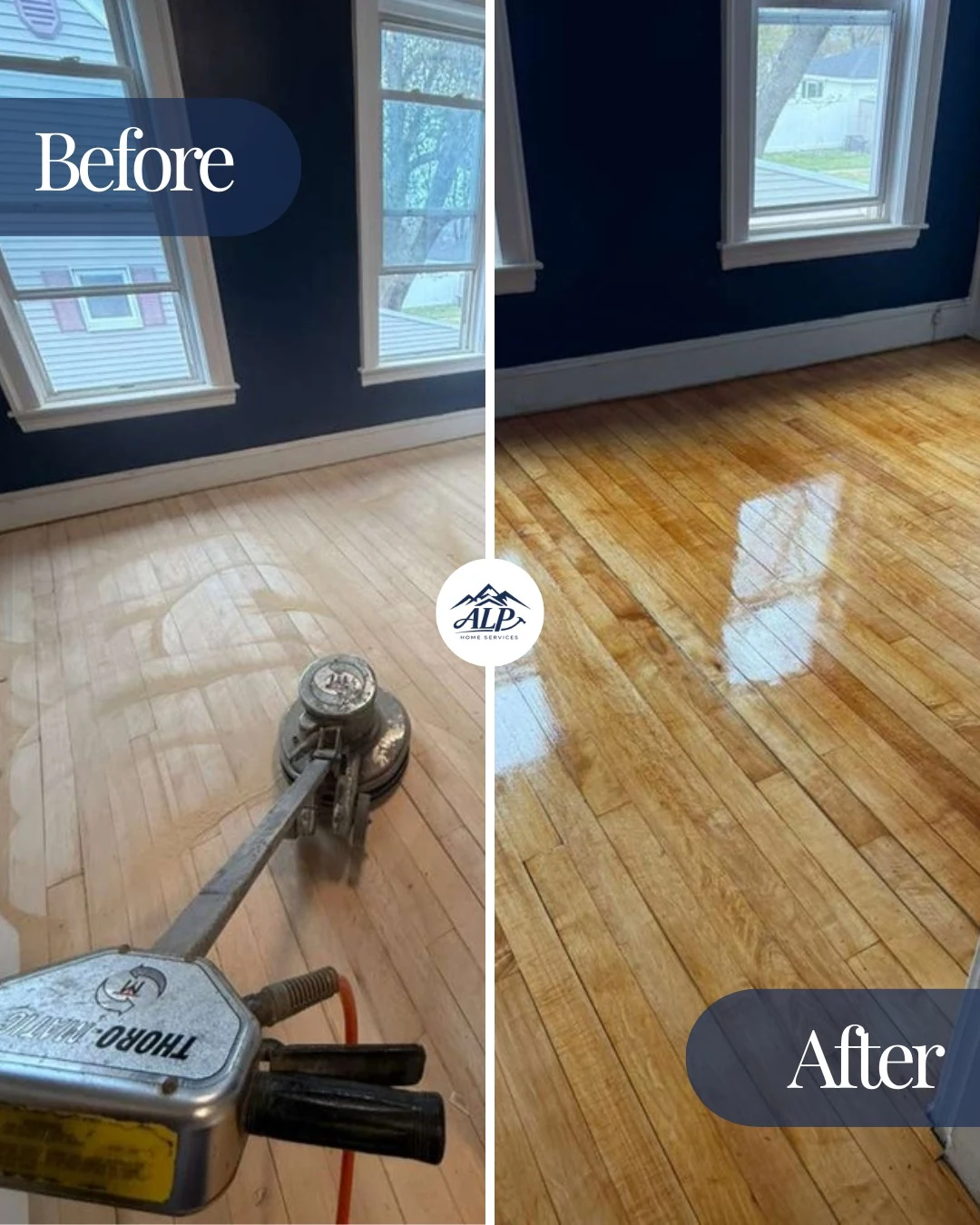
Dealing with Old Finishes: Paint, Polyurethane, and the Sanding Process
Many older triple-decker floors have been covered with various finishes over the years, from thick layers of paint to multiple coats of polyurethane. While these can seem daunting, they rarely prevent a successful refinishing project.
Painted Floors
Painted hardwood floors require more aggressive sanding to remove all the paint layers and expose the bare wood. This process demands specialized equipment and expertise to ensure the paint is fully removed without damaging the wood beneath. Once the paint is gone, the wood can be stained and finished like any other hardwood floor. This can be a dusty process, making careful preparation and an interior painting after floor work a common follow-up service.
Multiple Polyurethane Layers
Floors with many coats of polyurethane or other clear finishes will also require thorough sanding. The key is to ensure complete removal of all old finish to allow new stain and topcoats to adhere properly and evenly. Skipping this step can lead to uneven color, poor adhesion, and a less durable finish.
A licensed and insured flooring professional has the tools and experience to tackle these challenging finishes, ensuring a smooth, clean surface ready for new stain and protective coats. This expertise is crucial for achieving a high-quality, long-lasting result.
Refinishing vs. Replacement: A Realistic Look at Your Options
When considering to refinish or replace hardwood triple decker flooring, it’s important to weigh the benefits of each option. While replacement seems like a fresh start, refinishing often provides superior value and preserves the authentic character of your home.
Benefits of Refinishing:
- Preserves Historic Charm: Original hardwood floors add irreplaceable character and historical value to your triple-decker. Refinishing allows you to maintain this authenticity.
- Durability: The 3/4″ solid hardwood found in older homes is incredibly durable and, once refinished, can easily last another 50-100 years or more with proper care.
- Material Efficiency: Refinishing utilizes the existing material, reducing waste and the need for new wood production, making it an environmentally friendly choice.
- Faster Project Timeline: While still a significant project, refinishing typically has a shorter timeline than a full tear-out and replacement, especially if the subfloor is intact.
When Replacement is Necessary:
Replacement should be considered a last resort, primarily when the existing floors are beyond repair due to:
- Extensive, irreparable water or pest damage: Affecting the structural integrity of the planks and subfloor.
- Structural instability: Floors that are severely warped, bowed, or have widespread dry rot.
- Too many prior refinishes: When the sandable wear layer is exhausted, and nail heads are exposed across significant areas.
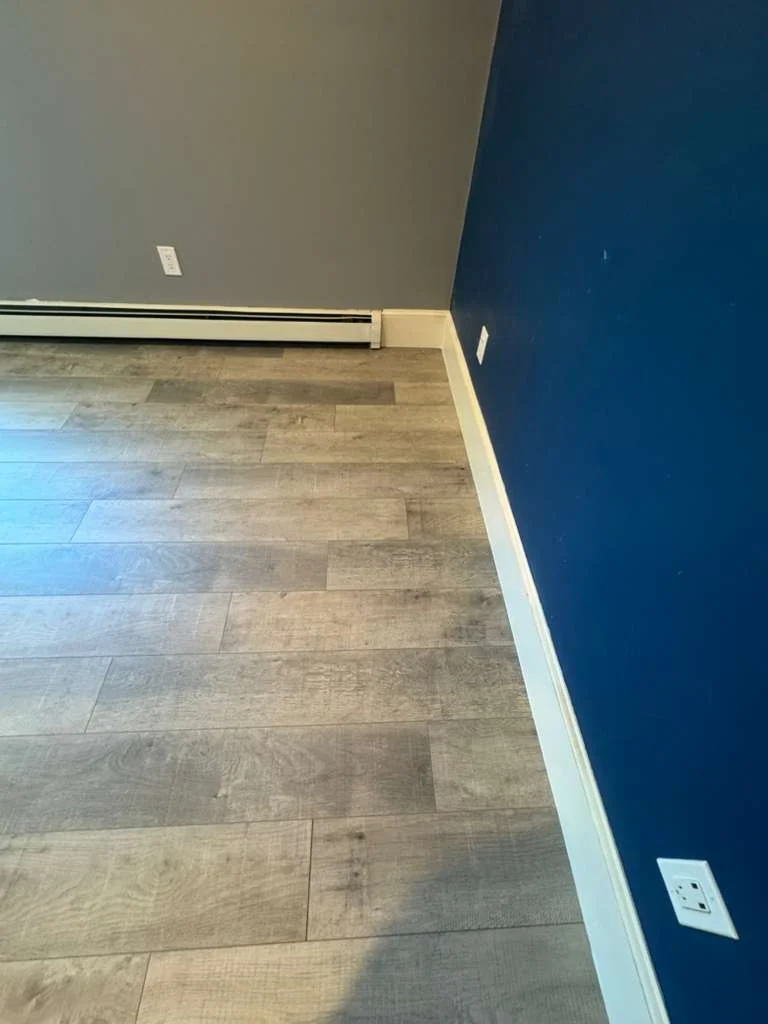
In most cases, for the robust hardwood found in Boston’s triple-deckers, refinishing is the smarter, more rewarding choice, offering a beautiful, long-lasting floor that respects your home’s heritage.
FAQ: Refinishing Hardwood Floors in Boston Triple-Deckers
Common questions about restoring or replacing hardwood floors in historic Boston homes.
Should I refinish or replace hardwood triple decker floors in my Boston home?
For most Boston triple-deckers, refinishing is the recommended choice. Original 3/4″ solid hardwood floors have ample sandable wood and can be restored beautifully. Replacement is generally only necessary for severe structural damage, extensive subfloor issues, or if the wood has been sanded too many times and nail heads are exposed.
What kind of hardwood is typically found in Boston triple-deckers?
Most triple-deckers built between the late 1800s and early 1900s feature solid red oak or maple hardwood floors, often 3/4″ thick. These are highly durable woods known for their longevity and ability to withstand multiple refinishes.
How can I tell if my hardwood floors have enough wood to be refinished?
A simple “penny test” can give you a rough idea: try to insert the edge of a penny into a gap between floorboards. If you see significant wood above the tongue, it’s likely a good candidate. A professional inspection by a flooring expert will provide a precise assessment.
Can water-damaged hardwood floors be refinished?
Minor, surface-level water stains or discoloration can often be sanded out. However, if water damage has caused extensive warping, buckling, or compromised the subfloor with mold or structural weakness, replacement of the affected sections or the entire floor may be necessary.
Are wide gaps between floorboards a reason to replace the floor?
Not necessarily. Wide gaps, often caused by dry winter air in older homes, can often be addressed through wood fillers, custom-fitted wood slivers, or by improving indoor humidity control. Replacement is usually only needed if the gaps indicate severe structural instability.
Is it possible to refinish hardwood floors that have been painted?
Yes, painted hardwood floors can be refinished. It requires more intensive sanding with specialized equipment to completely remove all layers of paint and expose the natural wood underneath. A professional can achieve excellent results, bringing the original wood back to life.
Explore Our Home Improvement Services
- Professional Flooring Solutions
- Comprehensive Home Services by ALP Home Services
- Expert Interior and Exterior Painting
- Engineered Hardwood vs. Solid Hardwood for Boston Area Condos
- How to Stop Peeling Paint on Your New England Home’s Exterior
- Hairline Cracks in Plaster Ceilings: When to Patch and When to Replace
Ready to Refinish or Replace Hardwood Triple Decker Floors?
If you own a triple-decker in Everett or a surrounding Boston-area community and are considering whether to refinish or replace hardwood triple decker floors, trust the licensed and insured experts at ALP Home Services. We offer free in-home estimates to assess your floors and provide tailored recommendations for restoration or replacement, ensuring the best outcome for your historic property.
Prefer to dial directly? +1 (866) 254-3597