
Flooring Services Across Greater Boston
ALP Home Services delivers full flooring services across Malden, Cambridge, and the Greater Boston area. installation, refinishing, and repair of hardwood, engineered hardwood, LVP, and tile. From a fresh install in a new Cambridge condo to refinishing 1920s oak floors in a Newton triple-decker, we handle the work end-to-end with proper prep and clean execution.
Why Boston-area homes need a specialized flooring approach
Greater Boston housing stock runs old. Triple-deckers, single-family homes built between 1900 and 1950, and converted multi-families dominate Cambridge, Somerville, Malden, Newton, and Arlington. These homes were built with quarter-sawn oak, maple, and pine planks 8 inches wide or more, often laid directly over lath subfloors. Modern flooring techniques don't translate cleanly to this housing stock without proper assessment.
Climate adds a second layer. New England runs four full seasons with snow load winters and high humidity summers (70-80% RH from June through September). Hardwood expands and contracts seasonally, gaps appear in February and disappear in August. A flooring installer who doesn't account for this gets callbacks. We acclimate hardwood for 5-7 days on-site before installation and leave proper expansion gaps at every edge. The expansion gap is hidden under baseboard and quarter round, you'll never see it, but skipping it cracks the floor in year two.
Third factor: condos. Cambridge, Boston, and Somerville have dense concrete-subfloor condo stock with HOA noise requirements. Engineered hardwood with the right underlayment is the only path that meets STC ratings in these buildings. Solid hardwood needs a wood subfloor to nail into. Choosing wrong creates a sound complaint problem you can't fix without ripping everything out. We read your condo's HOA flooring policy before quoting (most are public on the management company portal) so the specification we recommend is already approved.
Fourth factor: heating system. Radiant floor heat (common in newer Newton, Wellesley, and Brookline builds) limits material options. Solid hardwood over radiant moves too much. Engineered hardwood rated for radiant works. LVP rated for high heat works. Each manufacturer has different temperature limits, we cross-check before specifying. Forced-air heat (the dominant system in older Boston housing) has different challenges: low humidity in winter dries hardwood out and creates gaps. A whole-home humidifier helps but isn't standard, we'll mention it during the consult if your home runs dry.
Services
Hardwood floor refinishing
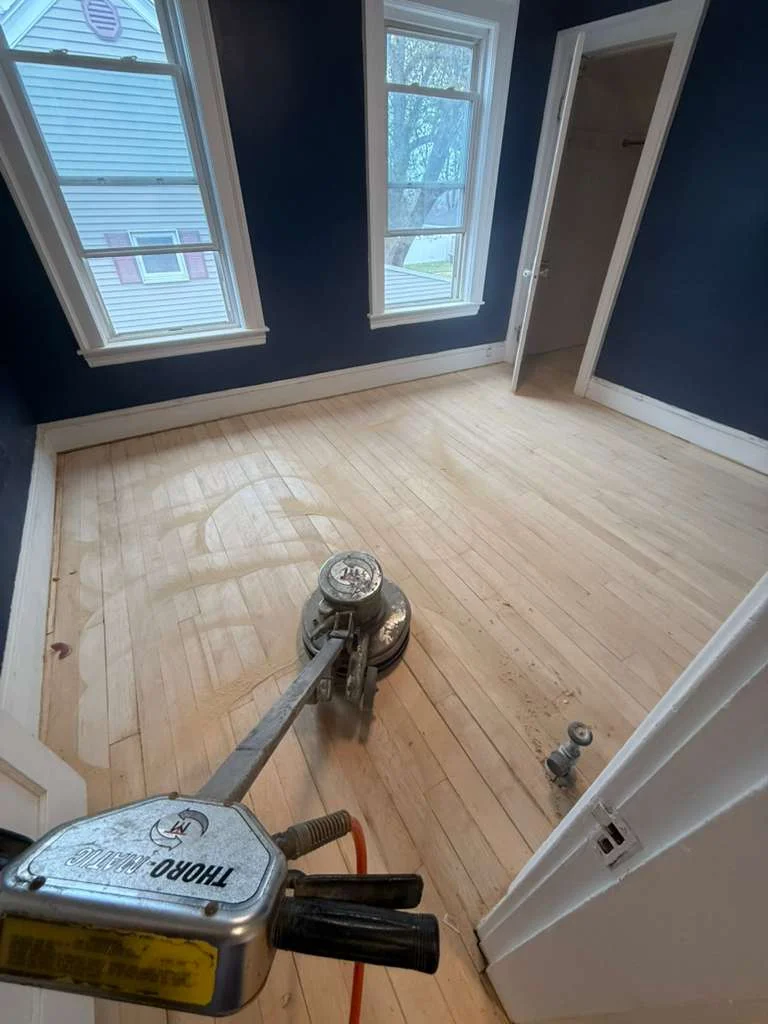
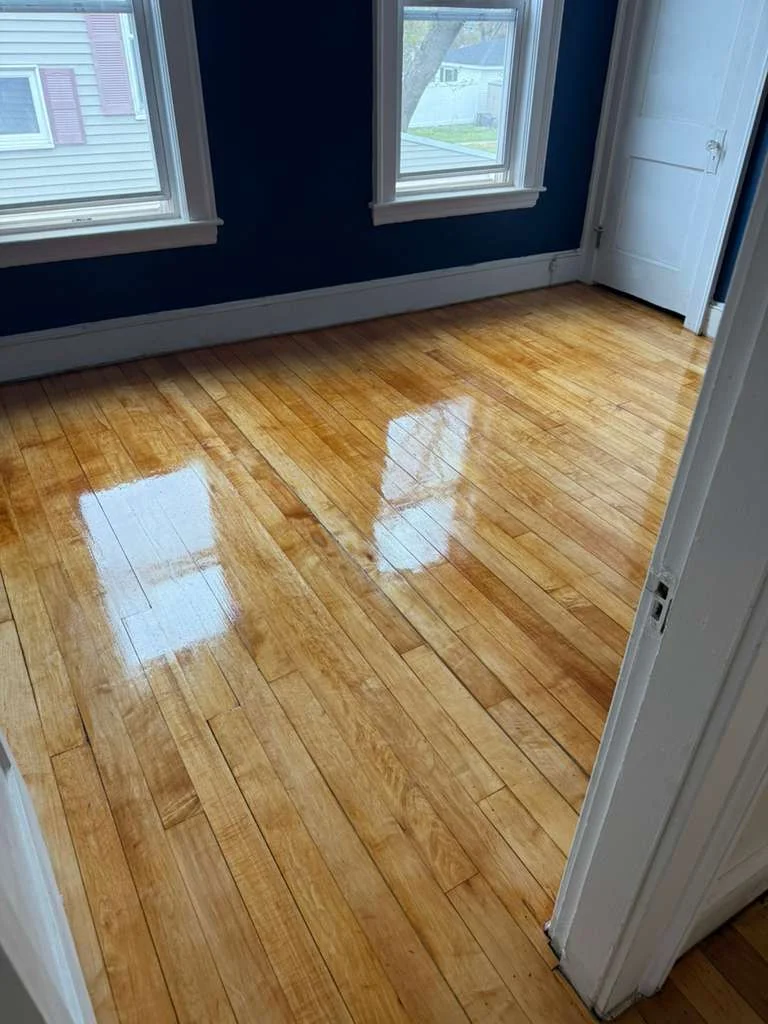
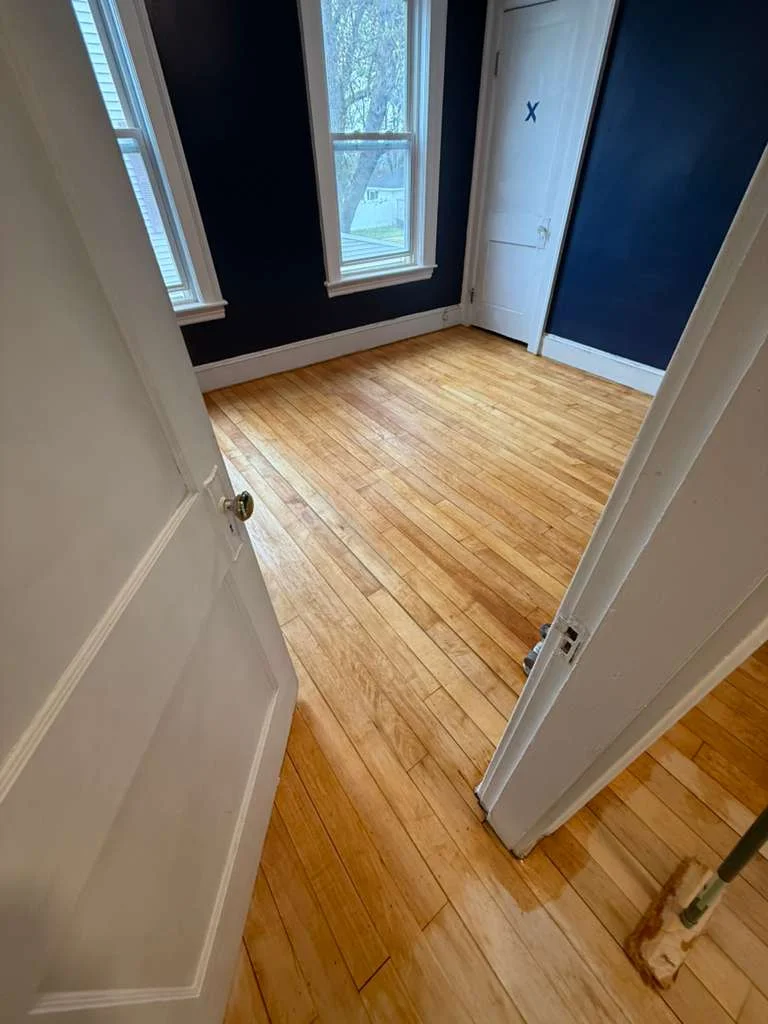
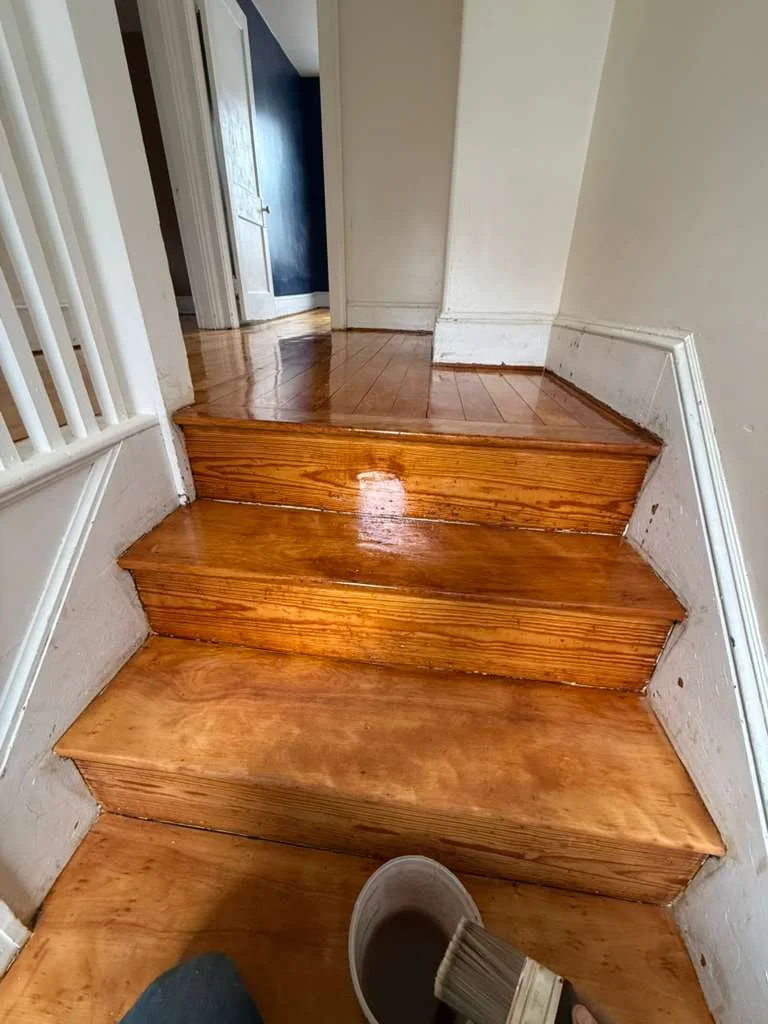
Sand and refinish existing hardwood floors. restore worn finishes, fix scratches, change stain color, and bring vintage Boston-area hardwood back to life. Dust-containment sanding available.
Hardwood installation
Solid hardwood and engineered hardwood install with proper subfloor prep, acclimation, and finishing. Custom plank patterns and borders available.
Engineered hardwood for condos
Engineered hardwood designed for concrete subfloors common in Cambridge, Somerville, and Boston condos. meets HOA noise requirements with proper underlayment.
LVP (Luxury Vinyl Plank)
Waterproof LVP installation for kitchens, basements, bathrooms, and rental units. Click-lock and glue-down options.
Tile flooring
Porcelain, ceramic, and stone floor tile with proper underlayment for bathrooms, kitchens, mudrooms, and entries.
Floor repair
Board replacement, water damage repair, gap fixing, and squeak elimination. Match existing floors where possible.
Flooring Materials Explained
Choosing the right material depends on the room, the subfloor, and how you use the space. Here's how we think through each option for Boston-area homes.
Solid hardwood (Oak, Maple, Cherry)
Traditional 3/4 inch solid hardwood, nailed to wood subfloor. Best for single-family homes with existing wood subfloors above grade. Can be refinished 5-7 times over its lifetime if maintained. Oak is the most common in Boston housing. Maple is harder and lighter. Cherry darkens beautifully over years but dents easier. Expect 30-50 year service life when installed and maintained properly.
Engineered hardwood
Real wood top layer (typically 3-4mm) bonded to a multi-ply core. Goes over concrete subfloors which makes it the right call for most Cambridge and Boston condos. Float, glue-down, or staple installation depending on the subfloor. Can be refinished 1-3 times depending on wear layer thickness. Quieter than solid hardwood with proper underlayment which matters for condo STC requirements.
Luxury Vinyl Plank (LVP)
Waterproof, click-lock or glue-down. Best for kitchens, basements, bathrooms, mudrooms, and rental units where moisture or rough use makes hardwood impractical. Modern LVP from quality manufacturers (Coretec, Karndean, Shaw) holds up well and looks close to real wood. Service life 15-25 years. The biggest variable is wear layer thickness, anything below 12 mil is a false economy for residential.
Tile (porcelain, ceramic, stone)
The right answer for bathrooms, mudrooms, and entries that see snow, salt, and wet boots. Porcelain rated for floor use handles freeze-thaw at exterior transitions. Underlayment matters: Schluter Ditra for crack isolation over wood subfloor, mortar bed for cleanest finish on concrete. Heated floor systems integrate with tile installation if you want it warm underfoot in winter.
Laminate
Pressed wood core with a printed wear layer. Lower cost than LVP but not waterproof and not refinishable. Reasonable choice for rental properties or low-traffic bedrooms. Avoid in kitchens, bathrooms, or any area with potential moisture.
Our Process
Every flooring project follows the same five steps. No surprises, no scope creep, no hidden fees.
1. Free in-home consultation
We walk the rooms with you, measure square footage, inspect existing flooring and subfloor condition, ask about how you use the space, and discuss material options. Allowing 45-60 minutes for this conversation gives us enough to write an accurate estimate. No commitment, no estimate fee. Most consultations happen within 48 hours of your call. We confirm the time-window the day before so you can plan around it.
2. Material selection with samples
We bring samples to your home so you can see how species and stain colors look under your actual lighting. There's a real difference between a store display and a Cambridge kitchen at 2pm in November. North-facing rooms read cooler. South-facing rooms wash colors out. Bedroom carpet to hardwood transitions read differently than open-plan kitchen-to-living. We help narrow choices based on your home, your use, and your budget range. If you've already shopped at Floor & Decor or Lumber Liquidators, bring the samples you liked, we'll match wholesale equivalents where it makes sense.
3. Written itemized estimate
Every estimate is fully itemized. Materials, labor, subfloor prep, removal of existing flooring, dust containment, finish coats, baseboard transitions. You see exactly what each line costs and what's included. No "labor" lump-sum trick that hides scope creep. The estimate is also a contract: line items can't change without your written approval. If we hit something unexpected (asbestos tile under existing flooring is a classic in older homes), we stop work, document it, and provide a written change order before continuing.
4. Demolition and subfloor prep
Existing flooring removed cleanly, subfloor inspected for moisture issues, level imperfections, and damage. Moisture readings taken at multiple points. Repairs done before installation begins. This is where corner-cutting shows up later as squeaks, gaps, and uneven boards. We don't skip it. Sub-floor flatness needs to fall within 3/16 inch over 10 feet for hardwood and engineered installations. Anything worse gets corrected with leveling compound or sister-joist work, not papered over.
5. Installation and final QA walk-through
Installation, acclimation where required, finish coats, transitions, and final cleanup. We walk every room with you at the end to verify the finish, the transitions, and the trim work. Punch list addressed before we leave the job. We follow up at 30 days and 90 days to check on seasonal movement, finish hardening, and any concerns. Most issues that show up after install happen in the first 90 days as the floor settles into your home environment.
Investment guidance
Flooring investment in Greater Boston varies based on square footage, material selection, subfloor condition, and structural complexity. A hardwood refinish project in a 1,200 square foot Cambridge condo runs much lighter than a full LVP install with subfloor prep across an entire Newton single-family. Engineered hardwood with concrete prep sits between the two.
What drives the number up: subfloor repair (water damage, joist work, leveling compound), removal of existing flooring (especially asbestos tile or glued-down vinyl that requires special handling), high-end material selection (wide plank, rift-and-quarter-sawn, exotic species), and tight timelines that require off-hours or weekend work. What keeps it manageable: planning material selection around what's in stock locally, scheduling during contractor slow months (January-February, July-August), and grouping multiple rooms into one mobilization instead of separate visits.
What stays consistent: every project gets a fully itemized written estimate after the free in-home consultation. You see materials, labor, prep work, and any additional costs broken out individually. No estimate ever costs you a dime, and no commitment until you're ready.*
*Pricing varies based on project scope, materials selected, and site conditions.
Service Area
We serve Cambridge, Malden, Belmont, Arlington, Lexington, Newton, Wellesley, Sudbury, Weston, Bedford, Concord, Lincoln, Winchester, Westwood, Needham, Dedham, Dover, Natick, Carlisle, Milton and nearby communities across Middlesex and Suffolk counties.
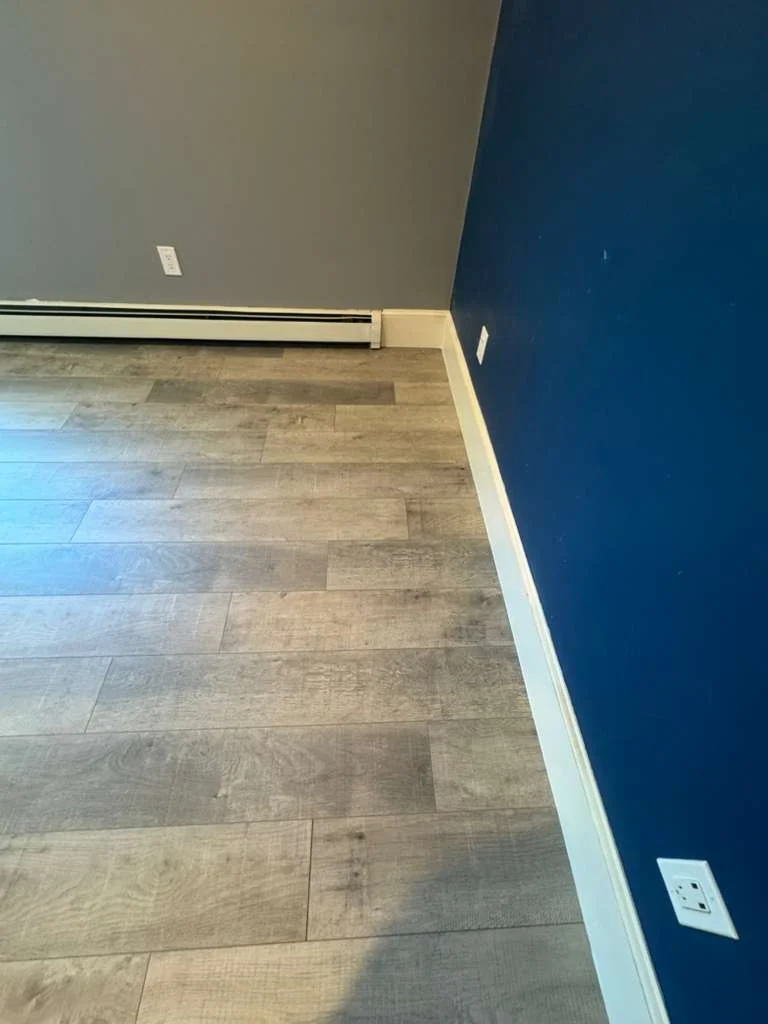
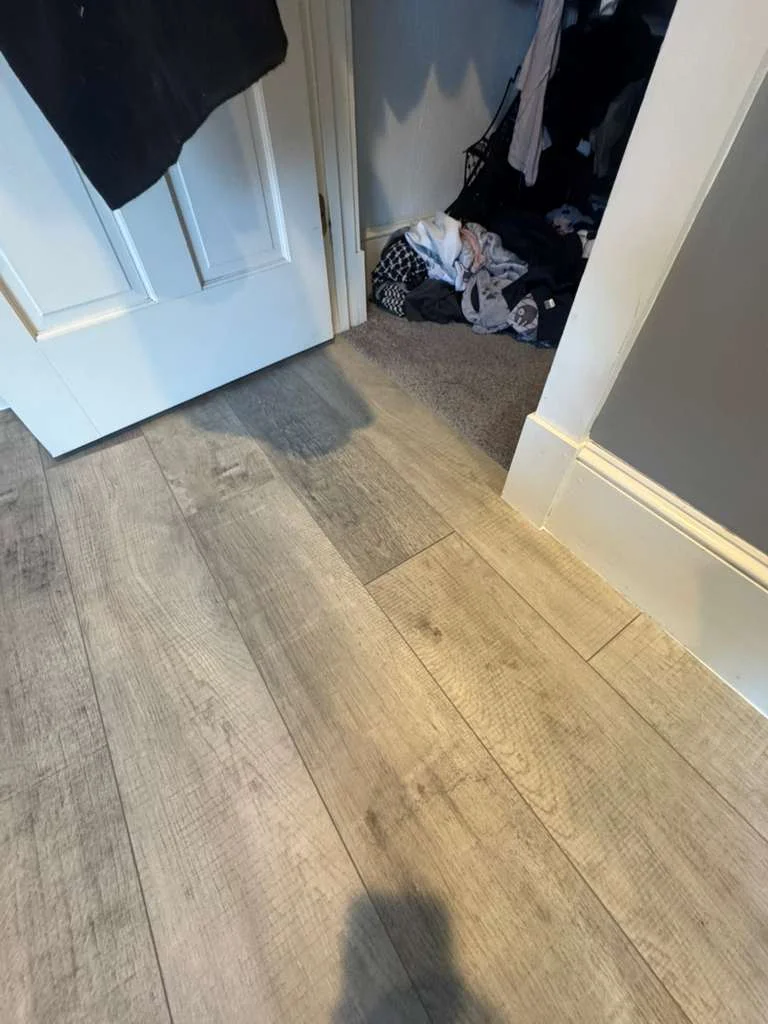
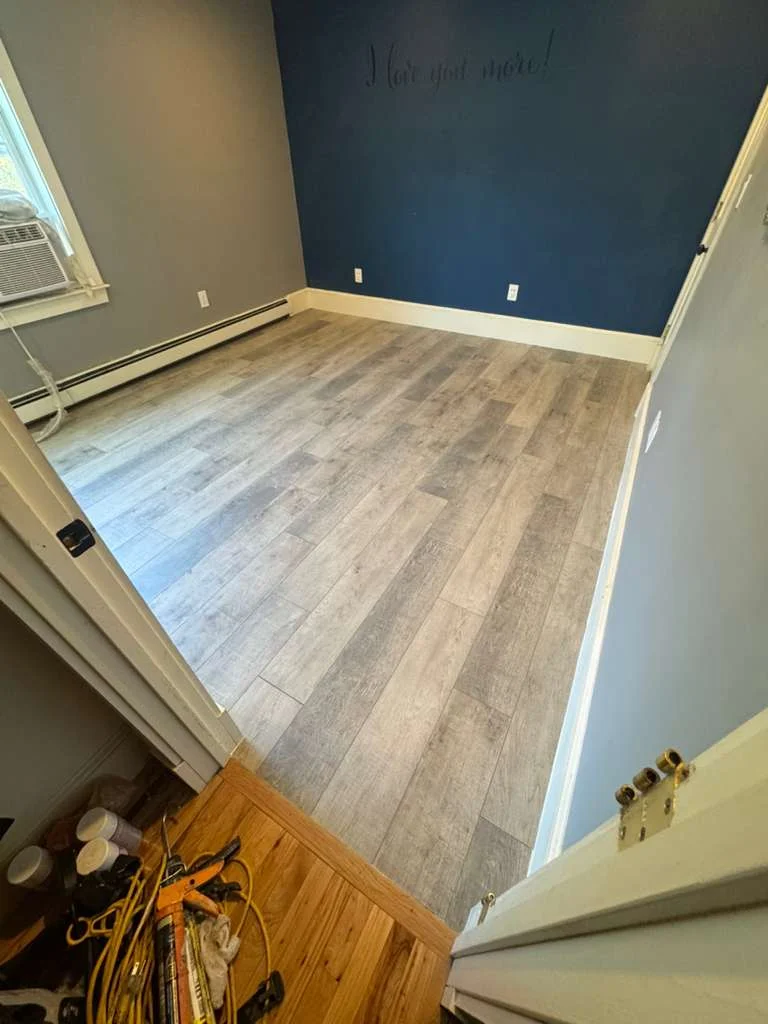
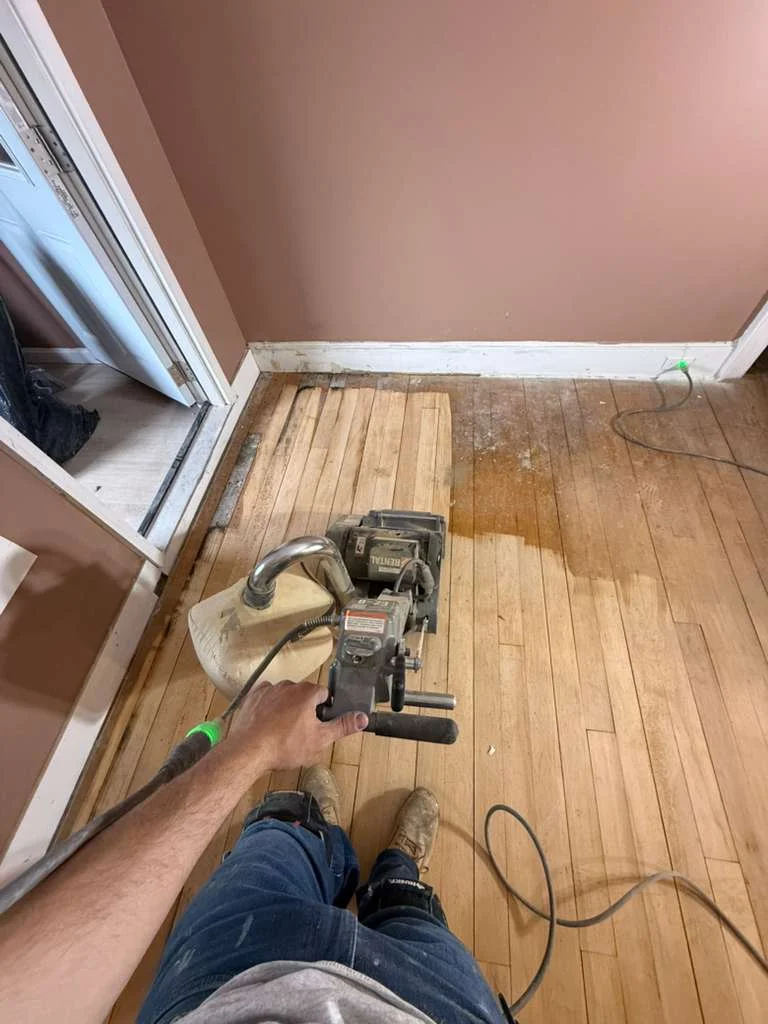
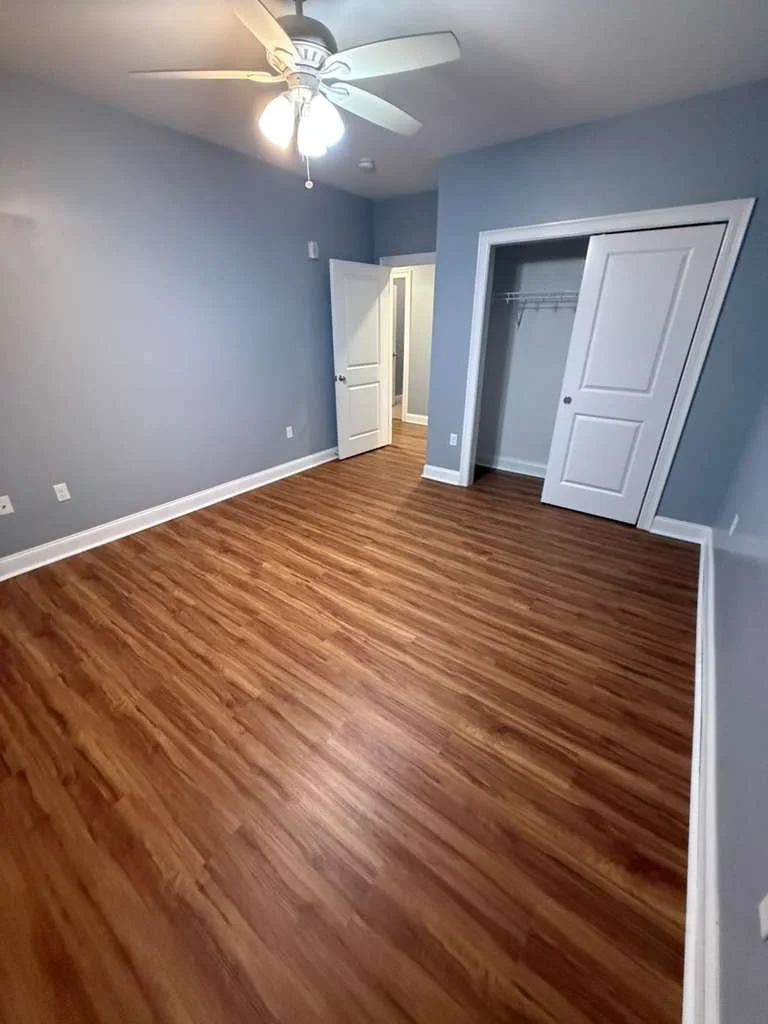
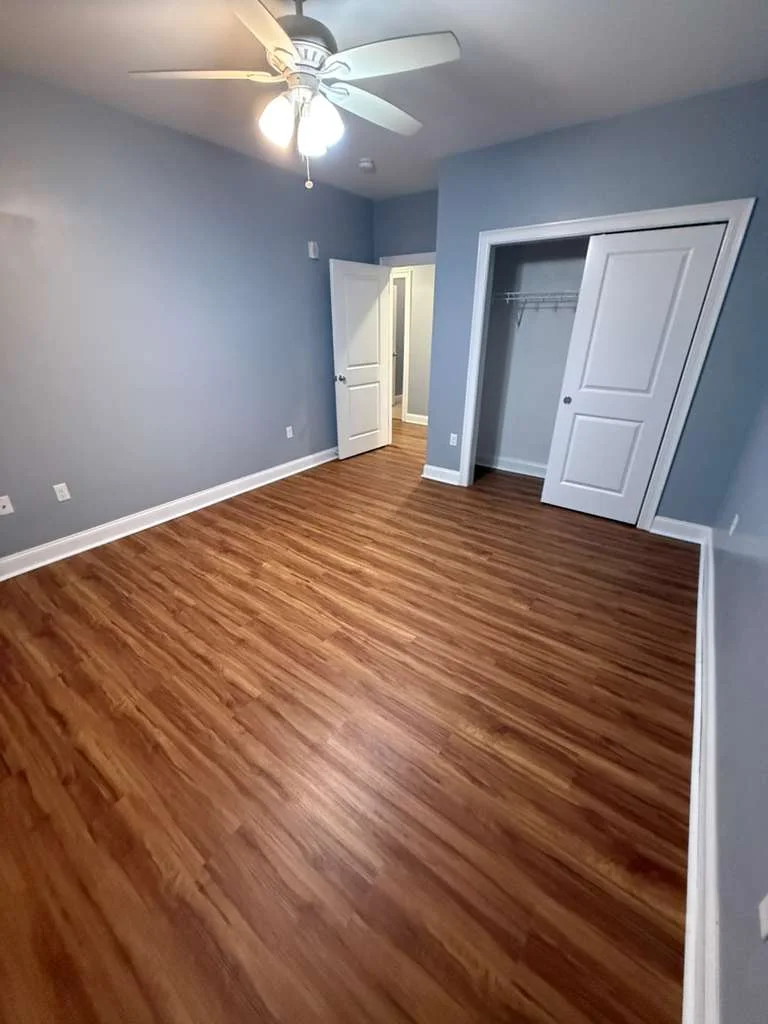
Recent Projects. Flooring
What sets ALP apart in Greater Boston
Family-owned, fully insured, and registered as a Massachusetts Home Improvement Contractor (HIC Registration #218250). That last part matters because HIC registration in Massachusetts comes with mandatory consumer protections: written contracts, deposit limits, and resolution paths through the state if something goes wrong. Contractors operating without HIC registration in MA aren't legally entitled to enforce contracts above $500. Always verify HIC status before signing.
Beyond licensing, what shows up on every ALP project: clear communication daily, dust containment that actually contains dust, clean break-downs at the end of each work day, and a final walk-through where we address every punch-list item before considering the job done. Our 5-star Google reviews reflect this consistency, not marketing.
Common scenarios we handle
Vintage triple-decker on the second floor. Cambridge, Somerville, Malden, Medford. Original quarter-sawn oak in playing condition, gaps in winter, cups in summer. Often refinish-able if the boards are 3/4 inch and not water-damaged. We sand, fill, stain (or keep natural), and apply 2-3 coats of polyurethane. Job typically runs 4-6 days. The result puts a century-old floor back into 30-year service.
Cambridge condo conversion. Concrete subfloor, low ceiling height, HOA noise rules. Engineered hardwood (10-12mm with 3mm wear layer) over a quality underlayment (Cork Plus or QuietWalk Plus) gets you the look, the sound rating, and meets most HOA STC requirements. We document the build-up so you have records for the HOA file.
Family kitchen renovation in Newton or Wellesley. Existing tile coming up, new LVP or porcelain going down. Lots of cabinetry to work around, baseboard to remove and reset, transitions to dishwasher, fridge, island. We sequence with the rest of your kitchen scope so flooring isn't holding up cabinet install or appliance delivery.
Basement finishing in Belmont or Arlington. Concrete slab, moisture concerns, low ceiling, sometimes radon mitigation routing through the floor. Engineered hardwood here is a mistake. LVP with a vapor barrier and 12+ mil wear layer is the right call. We test moisture, install vapor barrier, and detail any equipment cutouts (sump pump, radon fan, HVAC).
Frequently Asked Questions
Do you serve all of Greater Boston?
Yes. we serve Cambridge, Malden, Belmont, Arlington, Lexington, Newton, Wellesley, Sudbury, Weston, Bedford, Concord, Lincoln, Winchester, Westwood, Needham, Dedham, Dover, Natick, Carlisle, Milton and nearby communities.
Should I refinish or replace my hardwood floors?
Refinishing works if your hardwood is at least 3/4 inch thick and not water-damaged or excessively gapped. Refinishing costs significantly less than replacement and preserves vintage floors. We'll inspect and recommend the right path.
How long does refinishing take?
A typical 1,500 sqft refinishing job takes 4-6 days including sanding, staining (if changing color), and 2-3 coats of finish. You'll need to stay out of the rooms during cure.
Engineered hardwood vs solid for Boston condos?
Most Cambridge and Boston condos have concrete subfloors which require engineered hardwood. solid hardwood needs a wood subfloor to nail into. We help you choose based on your unit and HOA rules.
Do you handle subfloor prep?
Yes. we assess and prep subfloors (level, repair, moisture-test, install underlayment as needed) before any installation.
Are you licensed and insured?
Yes. ALP Home Services LLC is a Massachusetts HIC Registration #218250, licensed and insured for residential renovation work.
Choosing the right material: a decision matrix
Every Greater Boston home has a right flooring answer, but it depends on three things: subfloor type, room use, and budget priority. Here's how we walk through it.
If your subfloor is wood (single-family above-grade)
Solid hardwood is on the table. So is engineered, LVP, tile. The wood subfloor gives you the most options. Decision usually comes down to use: kitchens and mudrooms get tile or LVP for water resistance. Living rooms, bedrooms, dining rooms get hardwood (solid or engineered). Stairs match the adjacent floor. We help you pick based on what matters most: refinishing potential (solid wins), waterproofing (LVP wins), pet-friendliness (LVP or tile), warmth underfoot (carpet still has a place in bedrooms).
If your subfloor is concrete (most condos, basements)
Solid hardwood is off the table. Engineered hardwood, LVP, or tile. Engineered if you want the look of wood and the HOA allows it. LVP if you want budget-friendly waterproof. Tile if it's a wet area. Always with proper underlayment and moisture barrier. Concrete subfloors release moisture even years after the pour, skipping the barrier creates mold and cup issues 2-3 years down the line.
If you're prioritizing budget without sacrificing quality
LVP is the right answer in most cases. 12mil+ wear layer, click-lock or glue-down, ranges from $3-$8 per square foot installed in the Boston market. Holds up better than carpet, looks better than laminate, lasts 15-25 years. The trick is avoiding the bottom-tier products that fade or scratch in year two.
What to ask any flooring contractor in Massachusetts
Before signing any flooring contract in MA, ask these five questions. The answers tell you everything about who you're hiring.
- What's your HIC Registration number? If they hesitate or say they don't have one, walk away. MA contractors over $500 in scope are legally required to be registered. ALP's HIC is #218250, verifiable at the MA Office of Consumer Affairs site.
- What's included in your estimate? Material, labor, subfloor prep, removal, dust containment, transitions, baseboard reset, finish coats. If the estimate is a single number with no breakdown, the contract is hiding scope changes.
- What happens if you find asbestos or water damage under existing flooring? Older Boston homes (built before 1980) often have asbestos vinyl tile or mastic. Reputable contractors stop work, document, and provide a written change order. Bad ones either skip safe abatement or surprise you with a bill.
- What's your warranty? Workmanship warranty separate from material warranty. ALP warranties installation workmanship for one full year against defects in our work.
- Can I see recent projects in my area? Hardwood install in a 1900s Cambridge triple-decker is different from LVP in a Newton condo. Ask for the project closest to yours. We share photos and addresses (with owner permission) on request.
Maintenance and care after installation
Hardwood gets occasional vacuuming with the hardwood setting and a damp (not wet) microfiber mop with pH-neutral cleaner. Avoid Murphy's Oil Soap or ammonia, both dull the finish over time. Re-coat (not full sand) every 7-10 years to extend life by decades. LVP gets vacuumed and damp-mopped, that's it, the wear layer protects everything underneath. Tile needs grout sealing once a year in wet areas. We provide a printed care guide at the end of every job specific to what we installed.
Get a Free Estimate
Install, refinish, or repair. quick response, clean execution, clear communication.
Get Free Estimate Call (866) 254-3597ALP Home Services LLC · MA HIC Registration #218250 · Licensed & Insured